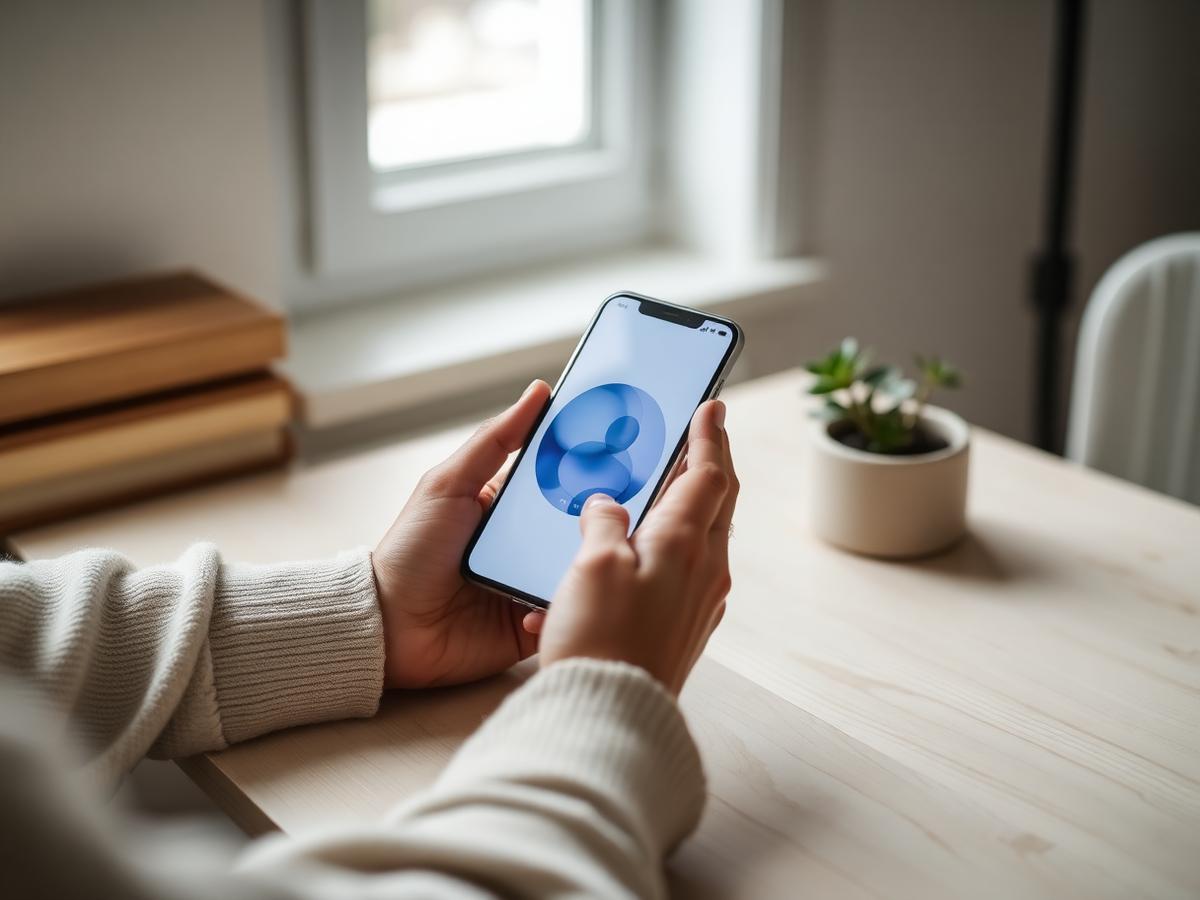
There is a quiet revolution in Finnish healthcare — not the kind announced at conferences, but the kind that arrives, gradually, in the pocket. It looks like a text message from a clinic, a laboratory result you can read in the evening, a prescription that follows you to any pharmacy in the country.
The shift from paper to screen
Ten years ago, the paper slip was the connective tissue of Finnish healthcare — a prescription, a referral, an appointment card in a wallet. Today, most of that paper has become metadata.
The change was not spectacular. It happened one clinic at a time, one software update at a time, and one weary receptionist explaining to one patient at a time that no, they did not need the paper anymore.
Small tools, large effects
The most useful digital health tools tend to be the least dramatic: a reminder before an appointment, a laboratory result released the day it is ready, a way to reorder a repeat prescription without a visit.
Their power lies in accumulation. Small conveniences save small pieces of attention, and attention is the true scarce resource in a person's healthcare year.
What technology cannot do
A digital record does not replace a conversation with a clinician. A well-designed interface does not remove the need for careful history-taking. And no app has yet learned to sit with a worried patient in the way a human being can.
The best of digital health, then, is the part that clears space for humans to do the human parts of medicine.
A note on Omakanta
Among Finnish readers, one of the most commonly used tools is Omakanta — the national service for reading one's own medical records and prescriptions. It is only one thread in the wider fabric of digital health, but a widely used one. We have written a separate, in-depth guide: Understanding Omakanta.
Where this is going
The next decade will not be defined by any single application. It will be defined by how quietly, and how humanely, these tools continue to disappear into daily life — leaving behind only the parts of care that were always meant to be human.